


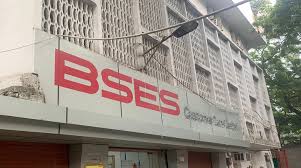
The Delhi High Court on Monday, June 23, 2026, dismissed writ petitions filed by BSES Rajdhani Power Limited (BRPL) and BSES Yamuna Power Limited (BYPL) challenging a Government of NCT of Delhi (GNCTD) show-cause notice proposing a CAG audit of the two power distribution companies.
The petitions, bearing neutral citation 2026:DHC:5152, were dismissed as premature by a vacation bench presided over by Justice Tejas Karia, according to Bar & Bench and ANI. The ruling clears the path for the audit process to continue on merits before the competent authority.
Background: How We Got Here
BSES Rajdhani and BSES Yamuna were incorporated following the unbundling and privatisation of the erstwhile Delhi Vidyut Board. After privatisation, the CAG had earlier declined to audit the two discoms on the ground that they were no longer government companies.
In 2015, a Division Bench of the Delhi High Court — in what is referred to as the URJA judgment — quashed a previous GNCTD direction for a CAG audit of the private discoms, a precedent BSES heavily relied upon in the present proceedings, as reported by New Kerala and Verdictum.
- In August 2025, the Supreme Court delivered a landmark Regulatory Assets (RA) judgment directing a strict and intensive audit of the circumstances in which distribution companies had accumulated large regulatory assets without recovery from consumers.
- In April and May 2026, the Appellate Tribunal for Electricity (APTEL) set aside a further CAG audit proposal, instead directing the Delhi Electricity Regulatory Commission (DERC) to appoint a Chartered Accountant for an intensive audit.
- On June 6, 2026, GNCTD issued a fresh show-cause notice under Section 20(3) of the Comptroller and Auditor General (Duties, Powers and Conditions of Service) Act, 1971, proposing to entrust the audit to the CAG, allegedly in compliance with the Supreme Court’s RA directions and at DERC’s request.
BSES challenged this notice before the Delhi High Court, arguing it was void ab initio and violated both the URJA judgment and the more recent APTEL orders of April and May 2026, per Verdictum and New Kerala.
The case was titled BSES Rajdhani Pvt Ltd. and Anr. v. Government of NCT of Delhi And Ors. Senior Advocates Sandeep Sethi and Buddy Ranganathan appeared for BSES. Additional Solicitor General SV Raju appeared for the Delhi government, while Senior Advocate Sanjeev Kumar Dubey represented DERC, according to Bar & Bench.
The Ruling — Key Findings
Justice Tejas Karia dismissed both petitions on the ground of prematurity, finding that the June 6 notice was a show-cause notice and did not constitute a final adverse order warranting interference in writ jurisdiction.
As reported by Bar & Bench and Law Trend, the court stated: “The Impugned Notice does not record any adverse finding against the Petitioners warranting any interference on merits at this stage in exercise of writ jurisdiction.” The court added plainly: “The present Petition is, therefore, premature.”
The court also rejected BSES’s argument that the Supreme Court’s RA judgment restricted the scope of any audit to DERC alone. According to ANI and New Kerala, the court held there is no legal prohibition against auditing the distribution companies or using the CAG for that purpose.
The bench further found that the proposed CAG audit is not an attempt at a parallel regulatory exercise. Rather, it is linked to implementation of the Supreme Court’s directions on the prolonged accumulation of regulatory assets affecting consumers, per ANI.
On the question of future proceedings, Justice Karia directed: “The proceedings to be conducted pursuant to the impugned notice under Section 20(3) of the CAG Act shall be decided by the competent authority after affording the petitioners an opportunity of hearing and upon due consideration of all submissions that may be advanced by the petitioners on merits, without being influenced in any manner by the observations made hereinabove.”
This direction, reported by Millennium Post and Bar & Bench, preserves BSES’s right to make all submissions before the competent authority, while ensuring that the authority decides independently and without being bound by the High Court’s present observations.
Reactions & What’s Next
Delhi’s Power Minister Ashish Sood welcomed the ruling, characterising it as one that exposed an alleged nexus between the previous AAP government and the power companies. He referenced what he described as an alleged Rs 38,000 crore burden placed on Delhi consumers, according to the Millennium Post.
With the writ petitions dismissed, the matter now returns before the competent authority under Section 20(3) of the CAG Act. That authority is required to conduct fresh proceedings, hear BSES’s submissions on merits, and decide independently whether to entrust the audit to the CAG — without being influenced by the High Court’s observations in the dismissal order, per Bar & Bench and New Kerala.
BSES retains the right to raise all legal arguments — including those based on the 2015 URJA judgment and the 2026 APTEL orders — before the competent authority at that stage.
Full coverage: Bar & Bench. More legal news at The Courtroom.
Why did the Delhi High Court dismiss the BSES petition against the CAG audit notice?
The court held the petition was premature because the GNCTD’s June 6, 2026 notice was merely a show-cause notice under Section 20(3) of the CAG Act, not a final adverse order. Justice Tejas Karia found it did not warrant interference in writ jurisdiction at this stage, according to Bar & Bench and Law Trend.
What happens next in the BSES CAG audit proceedings?
The competent authority under Section 20(3) of the CAG Act must now conduct fresh proceedings, give BSES a full opportunity of hearing, and decide on merits whether to entrust the audit to the CAG — independently and without being influenced by the High Court’s present observations, per the court’s directions as reported by Millennium Post and Bar & Bench.
Which judge presided over the BSES CAG audit case in the Delhi High Court?
Justice Tejas Karia presided over the vacation bench of the Delhi High Court that dismissed the BSES petitions on June 23, 2026, according to Bar & Bench, ANI, Law Trend, and Verdictum.
Did the court find any legal bar to the CAG auditing private power discoms in Delhi?
No. The court held there is no legal prohibition — under the Supreme Court’s RA judgment or otherwise — against auditing the distribution companies or using the CAG for that purpose, provided the procedure under the CAG Act is followed, as reported by ANI and New Kerala.
Disclaimer
Disclaimer: This article is for general information only and does not constitute legal advice. Laws may change or vary by case — consult a qualified lawyer before acting. The Courtroom is not liable for any reliance on this content.

