


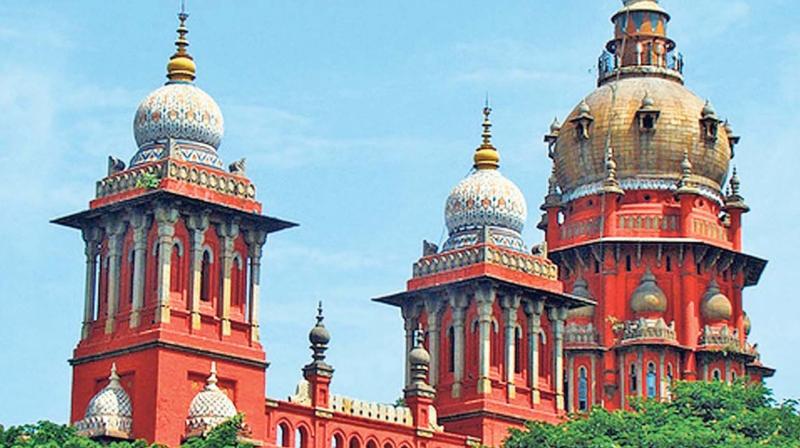
The Madras High Court on July 8, 2025 issued notice to the University Grants Commission and the Tamil Nadu government in a PIL challenging the prolonged failure to appoint Vice Chancellors across several State-run universities.
The bench of Chief Justice SA Dharmadikari and Justice Arul Murugan declined to constitute an oversight committee immediately, stating that no such directions could be passed without first hearing the State, according to Bar & Bench.
Background: How We Got Here
Tamil Nadu’s State universities have been without regular Vice Chancellors for an extended period due to a deadlock between the State government and the Governor’s office over the constitution and composition of search-cum-selection committees under UGC Regulations, 2018, as reported by Bar & Bench.
The crisis has had tangible financial consequences. Universities such as the University of Madras and Madurai Kamaraj University are battling financial stress, with pending bills stretching back over five years, according to The Federal.
- The PIL in the case titled Bhaskar Vs Chairman was filed by petitioner P Bhaskar, who sought directions to ensure Vice Chancellors are appointed in accordance with the University Grants Commission Act and the UGC Regulations, 2018.
- Senior Advocate NL Rajah appeared for the petitioner before the bench of Chief Justice SA Dharmadikari and Justice Arul Murugan, as reported by Bar & Bench.
- A related PIL filed by advocate K Venkatachalapathi had earlier led to a Madras High Court stay in May 2025 on State legislative amendments that sought to transfer VC appointment powers from the Governor to the State government, forming the broader legal backdrop to the present case.
The Ruling — Key Findings
At the first hearing, the bench issued notice to the University Grants Commission, the Tamil Nadu government and other respondents, directing them to also address how the Supreme Court proceeded in a similar West Bengal Vice Chancellor appointment dispute, per Bar & Bench.
The Court was unambiguous about its priorities, declaring from the bench: “After all, the concern of education, education in the State, is paramount.”
When the petitioner urged immediate constitution of a neutral high-powered committee — similar to the one headed by former Chief Justice of India UU Lalit in the West Bengal matter — the bench firmly responded: “Without notice to the State, we can’t constitute a committee.”
The petitioner sought a panel preferably headed by a former Chief Justice of a High Court or a retired Supreme Court judge to oversee VC appointments across Tamil Nadu universities, according to Bar & Bench.
Respondents were specifically directed to address the information the Supreme Court had sought before issuing directions in the West Bengal case, as reported by Bar & Bench.
Reactions & What’s Next
Senior Advocate NL Rajah, arguing for petitioner P Bhaskar, took direct aim at the UGC’s silence throughout the prolonged crisis.
He told the bench: “You have a power of superintendence. You can’t wring your hand in desperation, say, I can do nothing about it,” — remarks addressed squarely at the UGC, as reported by Bar & Bench.
Rajah further argued that the UGC cannot remain a silent spectator when several universities were functioning without their top academic heads, pressing the regulatory body to act within its statutory mandate under the UGC Regulations, 2018.
The matter is listed for its next hearing on July 29, 2025, along with connected cases concerning Vice Chancellor appointments across the State, according to Bar & Bench.
The Tamil Nadu government’s challenge to the Madras High Court’s May 2025 stay order on the legislative amendments is also pending before the Supreme Court, adding a further layer to what has become a multi-forum constitutional dispute over who holds the power to appoint Vice Chancellors in Tamil Nadu, as reported by LiveLaw.
More legal news at The Courtroom.
What is the Bhaskar Vs Chairman PIL about?
The PIL filed by petitioner P Bhaskar before the Madras High Court seeks directions to ensure Vice Chancellors are appointed in Tamil Nadu’s State-run universities in accordance with the University Grants Commission Act and the UGC Regulations, 2018. It challenges the prolonged failure to make these appointments amid a dispute between the State government and the Governor’s office, according to Bar & Bench.
Which bench is hearing the Vice Chancellor appointments PIL at the Madras High Court?
The PIL is being heard by a bench comprising Chief Justice SA Dharmadikari and Justice Arul Murugan of the Madras High Court, as reported by Bar & Bench.
When is the next hearing date in the Madras High Court VC appointments case?
The matter is scheduled to be heard next on July 29, 2025, along with connected cases concerning Vice Chancellor appointments in Tamil Nadu, according to Bar & Bench.
What solution did the petitioner propose for appointing Vice Chancellors in Tamil Nadu?
Petitioner P Bhaskar, through Senior Advocate NL Rajah, urged the Court to appoint a high-powered neutral panel — preferably headed by a former Chief Justice of a High Court or a retired Supreme Court judge — to oversee the VC appointment process. The petitioner drew a parallel to the Supreme Court’s resolution of a similar deadlock in West Bengal, where a committee headed by former CJI UU Lalit was constituted, as reported by Bar & Bench.
Disclaimer
Disclaimer: This article is for general information only and does not constitute legal advice. Laws may change or vary by case — consult a qualified lawyer before acting. The Courtroom is not liable for any reliance on this content.

