


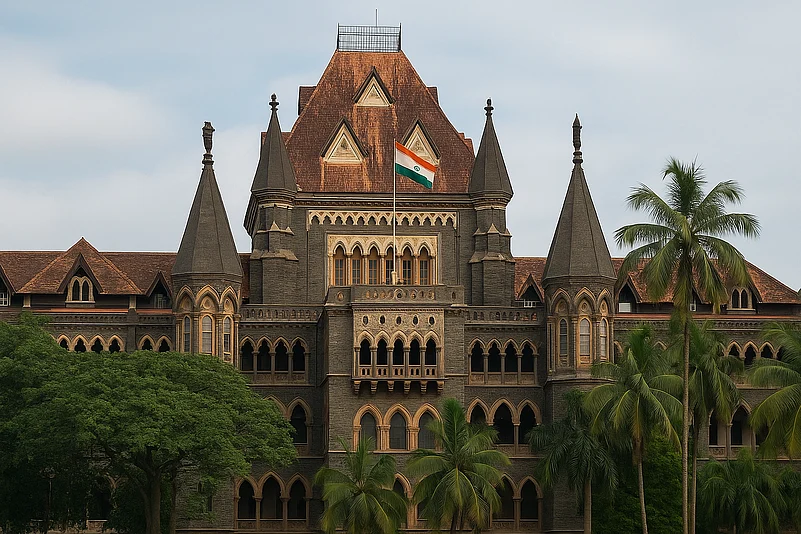
Goa Municipalities Act Section 44 Councillor Removal: Bombay HC Settles Jurisdiction Question
The Bombay High Court at Goa, per Justice Valmiki Menezes, has held that the power to remove a Municipal Councillor under Section 44 of the Goa Municipalities Act, 1968, vests exclusively in the State Government and cannot be exercised by the Director of Municipal Administration.
The judgment, delivered in Writ Petition No. 631 of 2024, settles a significant question of statutory delegation — affirming that quasi-judicial powers of removal cannot travel to an administrative officer by virtue of a secretarial notification, according to LiveLaw.
Background & Case History
The dispute arose when petitioner Jervis Fernandes filed a complaint before the Director of Municipal Administration (DMA), Goa, seeking the removal of a Councillor of the Sanguem Municipal Council for alleged misconduct or disgraceful conduct under Section 44 of the Goa Municipalities Act, 1968.
The DMA rejected the complaint on its own initiative, holding that the power to act under Section 44 was not vested in it but in the State Government. Fernandes then challenged this rejection before the Bombay High Court at Goa in Writ Petition No. 631 of 2024, filed as Jervis Fernandes v. Rumaldo Judas Agnelo Fernandes, with advocate J. Abreu Lobo appearing for the petitioner, as recorded in official Bombay High Court at Goa cause list records.
The case appeared in Bombay High Court at Goa cause list records as early as 2024, with the final judgment listed on SupremeToday.ai as delivered on 24 June 2026.
- 29 August 1996: Government notification issued, appointing officers as Ex-Officio Secretaries, Joint Secretaries, and Additional Secretaries — the notification later relied upon by the petitioner.
- 2024: Jervis Fernandes files complaint before the DMA seeking removal of the Sanguem Municipal Council Councillor under Section 44.
- 2024: DMA rejects complaint, citing absence of jurisdiction under Section 44.
- 2024: Writ Petition No. 631 of 2024 filed before the Bombay High Court at Goa, challenging the DMA’s order.
Arguments & Submissions
Before the High Court, the petitioner argued that a Government notification dated 29 August 1996 effectively empowered the Director of Municipal Administration — in his capacity as Ex-Officio Joint Secretary to the Government — to exercise powers under Section 44 of the Goa Municipalities Act, according to LiveLaw.
The petitioner’s case rested on the proposition that the notification’s appointment of the DMA as Ex-Officio Joint Secretary amounted to a delegation of the Government’s statutory power of removal, thereby conferring jurisdiction upon the DMA to adjudicate the misconduct complaint.
No separate detailed submissions by the respondent Councillor are reported in the pre-verified sources beyond the DMA’s own earlier finding that it lacked jurisdiction — a position ultimately upheld by the Court.
The Ruling: Key Findings
Justice Valmiki Menezes dismissed Writ Petition No. 631 of 2024, holding that the DMA had rightly concluded that it lacked jurisdiction to act under Section 44 of the Goa Municipalities Act, 1968, as reported by LiveLaw.
The Court characterised the power under Section 44 as quasi-judicial in nature. It reasoned that the provision entails adjudication of allegations of misconduct or disgraceful conduct against a Councillor and may result in removal from office as well as disqualification for five years — consequences that are inherently adjudicatory.
The Court further held that the Goa Municipalities Act does not confer any power upon the Government to delegate the powers vested in it under the Act. Accordingly, any purported delegation would be without statutory sanction.
On the 1996 notification specifically, the Court held that it merely appointed various officers as Ex-Officio Secretaries, Joint Secretaries, and Additional Secretaries for secretarial and administrative functions, and did not amount to a delegation of statutory quasi-judicial powers to those officers, according to LiveLaw.
Legal Analysis & Implications
The judgment engages two foundational principles of administrative law. First, Section 44 of the Goa Municipalities Act, 1968, empowers the Government — and the Government alone — to remove a Councillor for misconduct or disgraceful conduct, subject to providing an opportunity of hearing.
Second, the Court affirmed the well-settled rule that judicial or quasi-judicial powers cannot ordinarily be delegated unless the parent statute expressly or by necessary implication permits such delegation, as reported by LiveLaw. The Goa Municipalities Act contains no such express or implied delegation provision.
The practical consequence is significant for municipal governance in Goa. Citizens who seek removal of a Councillor for misconduct must direct their complaints to the State Government itself. The DMA, regardless of any administrative notifications clothing it with secretarial designations, cannot serve as the adjudicating authority under Section 44.
The ruling also cautions against conflating administrative appointments — such as Ex-Officio designations for secretarial convenience — with statutory conferral of adjudicatory power. A notification that reorganises secretarial hierarchies does not transplant the Government’s quasi-judicial functions to an officer within that hierarchy.
Reactions & Stakeholder Response
No formal reactions from Bar Associations, civil society groups, or the parties themselves are reported in the pre-verified sources following the delivery of the judgment.
The DMA’s own earlier stance — that it lacked jurisdiction under Section 44 — was ultimately vindicated by the High Court, meaning the administrative authority’s self-restrained reading of its own powers was judicially endorsed.
What’s Next
With the writ petition dismissed, the immediate question of the DMA’s jurisdiction under Section 44 is authoritatively resolved. If the petitioner, Jervis Fernandes, wishes to pursue the removal of the Sanguem Municipal Council Councillor, any fresh complaint would need to be addressed directly to the State Government of Goa as the competent authority under Section 44.
No information regarding any intended appeal or further proceedings has been reported in the pre-verified sources. The judgment stands as delivered by Justice Valmiki Menezes of the Bombay High Court at Goa.
More legal news at The Courtroom.
Disclaimer
Disclaimer: This article is for general information only and does not constitute legal advice. Laws may change or vary by case — consult a qualified lawyer before acting. The Courtroom is not liable for any reliance on this content.

