


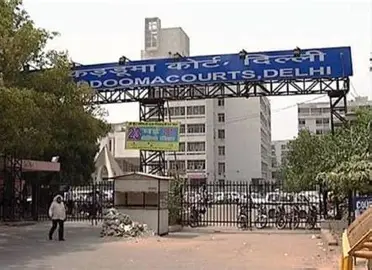
Additional Sessions Judge Sameer Bajpai of Karkardooma Courts, Delhi, on July 13, 2026, ordered the restoration of two weekly e-mulakats for Umar Khalid, an accused in the 2020 North-East Delhi riots larger conspiracy case registered under the UAPA.
The court found that Khalid had availed the two-per-week video-call facility for six continuous years without violating a single provision of the Delhi Prison Rules, according to LawBeat.
Background: How We Got Here
Umar Khalid, a former JNU student and activist, was arrested by Delhi Police on September 13, 2020, in connection with FIR No. 59/2020 registered by the Special Cell. The case relates to an alleged larger conspiracy behind the North-East Delhi riots of February 2020, which left 53 people dead and over 700 injured amid widespread protests against the CAA and NRC.
Khalid faces charges under multiple sections of the Unlawful Activities (Prevention) Act, 1967 — including Sections 13, 16, 17, and 18 — as well as provisions of the Indian Penal Code, 1860, including Sections 120B, 124A, 302, 147, 148, 149, and 153A, among others, per The Lexpedia.
- On January 5, 2026, the Supreme Court (Justices Aravind Kumar and N.V. Anjaria) denied regular bail to both Khalid and co-accused Sharjeel Imam, while granting bail to five co-accused: Gulfisha Fatima, Meeran Haider, Shifa Ur Rehman, Mohd Saleem Khan, and Shadab Ahmed, according to LiveLaw.
- On July 4, 2026, ASJ Sameer Bajpai dismissed fresh bail applications filed by Khalid and Imam, holding them not maintainable in light of the Supreme Court’s January 5, 2026 order, as reported by LawBeat.
- Around May 2026, prison authorities reduced Khalid’s e-mulakat entitlement from two per week to one per week without any stated justification, according to the Daily Excelsior.
The Ruling — Key Findings
Khalid filed an application before the trial court seeking restoration of the two-per-week e-mulakat arrangement that had been in place since his incarceration. Jail authorities opposed the plea, contending that the applicable rules entitled him to only one e-mulakat per week, as reported by madhyamamonline and tennews.in.
ASJ Sameer Bajpai rejected that position and passed the restoration order on July 13, 2026. The court’s reasoning was direct and grounded in Khalid’s conduct record. In the words of the court:
“Since the applicant has been using two e-mulakats in a week for last six years and has not violated any rule of the Delhi Prisons Rule, the applicant is allowed to have two e-mulakats per week for the purpose of talking to his mother and other family members.” — ASJ Sameer Bajpai, Karkardooma Courts, order dated July 13, 2026.
The court also directed that a copy of the order be sent to the Superintendent of the concerned Central Jail, ensuring direct administrative compliance, according to madhyamamonline and tennews.in.
The order is a standalone procedural relief and is entirely separate from the ongoing bail proceedings in the case. It addresses the conditions of Khalid’s custody rather than his entitlement to liberty.
Reactions & What’s Next
The sources cited do not report any on-record statement from Khalid’s legal team or the prosecution following the July 13 order. No next hearing date specifically tied to the e-mulakat matter has been reported.
The bail question before the trial court remains closed for now, given ASJ Bajpai’s July 4, 2026 ruling that fresh bail pleas were not maintainable under the Supreme Court’s January 5, 2026 direction. Any substantive bail relief for Khalid would require a fresh approach to the Supreme Court, per the trial court’s reasoning as reported by LawBeat.
Khalid has been in judicial custody since September 13, 2020 — nearly six years — with the trial in the larger conspiracy case still ongoing at Karkardooma Courts.
Disclaimer
Disclaimer: This article is for general information only and does not constitute legal advice. Laws may change or vary by case — consult a qualified lawyer before acting. The Courtroom is not liable for any reliance on this content.

