


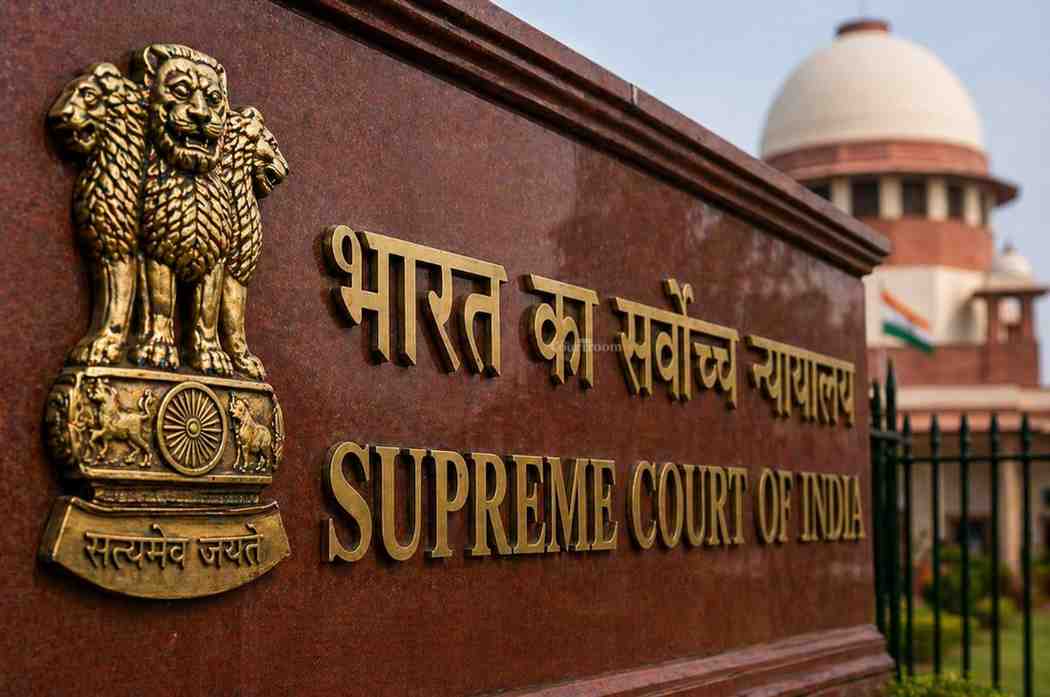
The Supreme Court of India on July 20, 2026 stayed a Delhi High Court order that had permitted Delhi riots accused Devangana Kalita to inspect electronic evidence collected by Delhi Police but not relied upon in the chargesheet, in the high-profile UAPA larger conspiracy case.
The bench also issued notice to Kalita on Delhi Police’s petition and left the trial court free to proceed with framing of charges, with the next hearing scheduled in two weeks, according to LiveLaw and Bar & Bench.
Background: How We Got Here
The case arises from the February 2020 Northeast Delhi riots, which claimed 53 lives and left more than 700 injured. The violence erupted during protests against the Citizenship Amendment Act (CAA) and the National Register of Citizens (NRC), per Tribune India and LawTrend.
Delhi Police invoked the Unlawful Activities (Prevention) Act (UAPA) against 18 accused persons, alleging a larger conspiracy. The accused include Umar Khalid, Sharjeel Imam, Safoora Zargar, Natasha Narwal, and Devangana Kalita, as reported by Bar & Bench and Asianet Newsable.
- Kalita was granted bail by the Delhi High Court in June 2021, alongside co-accused Asif Iqbal Tanha and Natasha Narwal. The Supreme Court upheld that bail order in May 2023 by dismissing Delhi Police’s challenge, according to LiveLaw and LawBeat.
- In August 2023, the trial court refused to provide Kalita with entire CCTV footage of North-East Delhi and WhatsApp chats of police official groups, per LiveLaw and FreePressJournal.
- Arguments on framing of charges before the Karkardooma Court began on September 5, 2024. The Delhi High Court subsequently stayed the trial court from passing final orders on charge-framing, as reported by Bar & Bench.
Kalita then approached the Delhi High Court. On June 5 or 6, 2026 — sources differ on the exact date — Justice Neena Bansal Krishna passed an order that rejected Kalita’s plea for copies of CAA-NRC protest videos and police WhatsApp chats, citing sensitive information. However, the High Court allowed her to inspect unrelied documents stored in police custody (malkhana) and also lifted the stay on the trial court passing final orders on charge-framing, according to LiveLaw, Bar & Bench, and LawTrend.
Delhi Police challenged this ruling before the Supreme Court in SLP(Crl) No. 12447/2026 (Diary No. 38990/2026), as noted by LiveLaw.
The Ruling — Key Findings
The Supreme Court bench — comprising Justice Aravind Kumar and, per Bar & Bench, LawBeat, LawTrend, Tribune India, and Asianet Newsable, Justice Vipul M. Pancholi — stayed Justice Neena Bansal Krishna’s order and issued notice to Kalita on July 20, 2026.
Additional Solicitor General SV Raju, appearing for Delhi Police, argued that an accused is not entitled to inspect unrelied documents at the stage of framing of charges. He relied on the Supreme Court’s precedents in Debendra Nath Padhi and Sarla Gupta, according to LiveLaw, LawBeat, and Bar & Bench.
ASG Raju’s position was unambiguous. As quoted by LiveLaw: “You are not entitled to any document until charges are framed.”
Defence counsel Advocate Adit S. Pujari countered that the Sarla Gupta judgment itself holds that an accused is entitled to inspect unrelied documents prior to trial. He further argued that the videos sought showed Kalita peacefully protesting, per LawBeat and Bar & Bench.
Justice Aravind Kumar was unmoved by the substantive argument on merits, observing curtly: “Very good defence, but not at this stage.”
The bench also remarked on the pace of proceedings, stating: “You will not conclude your arguments within 10 years, and then you say there is delay in trial!” — as quoted across multiple sources including LawBeat.
By staying the inspection permission, the Supreme Court effectively reinforced that the question of access to unrelied material cannot be determined at the charge-framing stage. The trial court was left free to proceed with framing of charges, according to Bar & Bench and LawBeat.
Reactions & What’s Next
The stay represents a significant setback for Kalita’s defence strategy. Her counsel had argued that the unrelied protest videos were exculpatory, potentially demonstrating her peaceful participation in demonstrations rather than conspiracy, per LawBeat and Bar & Bench.
The Supreme Court’s oral observation — “Very good defence, but not at this stage” — signals that the bench views any assessment of the evidence’s merits as premature until charges are formally framed by the Karkardooma Court.
The matter is now listed for hearing before the Supreme Court in two weeks, as reported by LawTrend and Asianet Newsable. Meanwhile, the trial court is free to proceed with arguments on framing of charges against all 18 accused in the larger conspiracy case.
Disclaimer
Disclaimer: This article is for general information only and does not constitute legal advice. Laws may change or vary by case — consult a qualified lawyer before acting. The Courtroom is not liable for any reliance on this content.

