


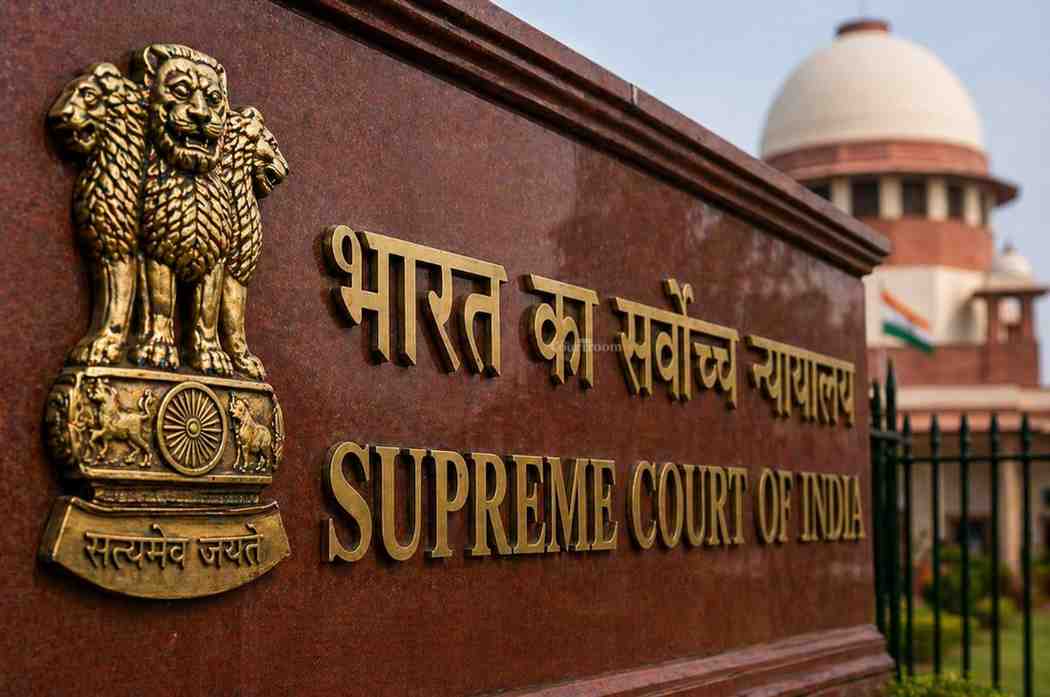
Introduction to Contempt, AIIMS & DNA Test
In a landmark contempt, AIIMS, and DNA test case, the Supreme Court of India issued a contempt notice to Dr Nikhil Tandon, Acting Director of AIIMS New Delhi, on June 5, 2026.
The notice was issued for failing to personally file an affidavit as directed by the Court, according to LiveLaw. The underlying matter is a matrimonial dispute involving a court-ordered DNA paternity test.
Background: Contempt, AIIMS & DNA Test Case
The case arose from a matrimonial dispute in which the Supreme Court ordered AIIMS to conduct a DNA test to determine the paternity of a child born to the parties, as reported by India Legal Live.
AIIMS had also earlier told the Court that the official responsible for conducting the DNA test had retired, making it impossible to proceed. The Court pointedly noted that AIIMS could have sought permission to engage the retired expert.
- On April 16, 2026, the Supreme Court specifically directed the Director of AIIMS to personally furnish an explanation via affidavit — not through any authorised representative.
- On May 27, 2026, when the matter came up before the Bench of Justice Ahsanuddin Amanullah and Justice R. Mahadevan, AIIMS counsel disclosed that the previous Director had demitted office approximately two to three weeks earlier.
- Instead of the Director, an affidavit was filed by Nishant Kumar, Deputy Secretary at AIIMS New Delhi, who claimed to be an authorised officer, per Deccan Chronicle and IANS.
AIIMS counsel argued that Dr Nikhil Tandon was functioning only in a temporary, acting capacity and was therefore not obligated to personally comply.
The Court rejected this explanation outright, calling it untenable, according to Business Standard.
What the Court Said
The Bench of Justice Ahsanuddin Amanullah and Justice R. Mahadevan held, prima facie, that contempt of court had been committed and formally impleaded Dr Nikhil Tandon as a party respondent in the proceedings, per India Legal Live and IANS.
The Court stated clearly: “We are not only surprised but shocked at the said response.”
On the question of whether an Acting Director bears personal responsibility, the Bench declared: “Any person who is on a post, either in substantive capacity or in acting capacity, has to take responsibility and perform the duty of the post held by him/her in whatever capacity it may be.”
The Court also firmly rejected any plea of ignorance: “We will not give benefit of doubt to the present Director/Acting Director of any ignorance.”
Explaining why the Deputy Secretary’s affidavit was unacceptable, the Bench held: “We had specifically sought explanation to be furnished by the Director, AIIMS and it is not within the discretion of any person to submit his/her explanation by authorising someone else to do the same.”
Dr Tandon was ordered to appear personally before the Court. Per the Supreme Court’s order: “He shall be personally present along with his explanation on the next date of listing, i.e., 07.07.2026 at 12: Noon.”
On the merits of the case, the DNA analysis report by the Department of Forensic Medicine and Toxicology, AIIMS, confirmed that Bimal Kishore is the biological father of the child, according to IANS and India Legal Live.
In light of this finding, the Court disposed of the miscellaneous applications pending before it. The Court also directed that copies of the DNA report be supplied to the parties, and that the original report be handed over to the petitioner’s counsel.
The matter will remain listed solely for the contempt proceedings and Dr Tandon’s personal appearance on July 7, 2026.
What It Means for You
This ruling sends a strong message: institutional office-holders — permanent or acting — cannot delegate personal compliance with Supreme Court directions to subordinates.
The Court’s refusal to accept a temporary-capacity defence as a shield from contempt liability has significant implications for government and statutory bodies across India.
Read more at The Courtroom. Original report: LiveLaw.
Why did the Supreme Court issue a contempt notice to the AIIMS Acting Director?
The Court had directed the Director of AIIMS to personally file an affidavit by April 16, 2026. Instead, Deputy Secretary Nishant Kumar filed the affidavit claiming to be an authorised officer. The Court found this to be non-compliance and, prima facie, contempt of court, according to LiveLaw and India Legal Live.
Who is Dr Nikhil Tandon and why is he named in the contempt proceedings?
Dr Nikhil Tandon is the Acting Director of AIIMS New Delhi. He was impleaded as a party respondent because the Supreme Court held that an acting-capacity holder is equally responsible for fulfilling court directions as a permanent appointee, per Business Standard and IANS.
What did the DNA test reveal in this case?
The DNA analysis report by the Department of Forensic Medicine and Toxicology at AIIMS confirmed that Bimal Kishore is the biological father of the child at the centre of the matrimonial dispute, as reported by IANS and India Legal Live.
Final Thoughts on Contempt, AIIMS & DNA Test
The Supreme Court’s contempt notice to AIIMS Acting Director Dr Nikhil Tandon marks a firm judicial stance that institutional leaders cannot evade court-directed obligations by delegating personal compliance or citing temporary tenure.
With Dr Tandon’s personal appearance set for July 7, 2026, at 12 Noon, this contempt, AIIMS, and DNA test case is far from over. Stay updated at The Courtroom.
Disclaimer
Disclaimer: This article is for general information only and does not constitute legal advice. Laws may change or vary by case — consult a qualified lawyer before acting. The Courtroom is not liable for any reliance on this content.

