


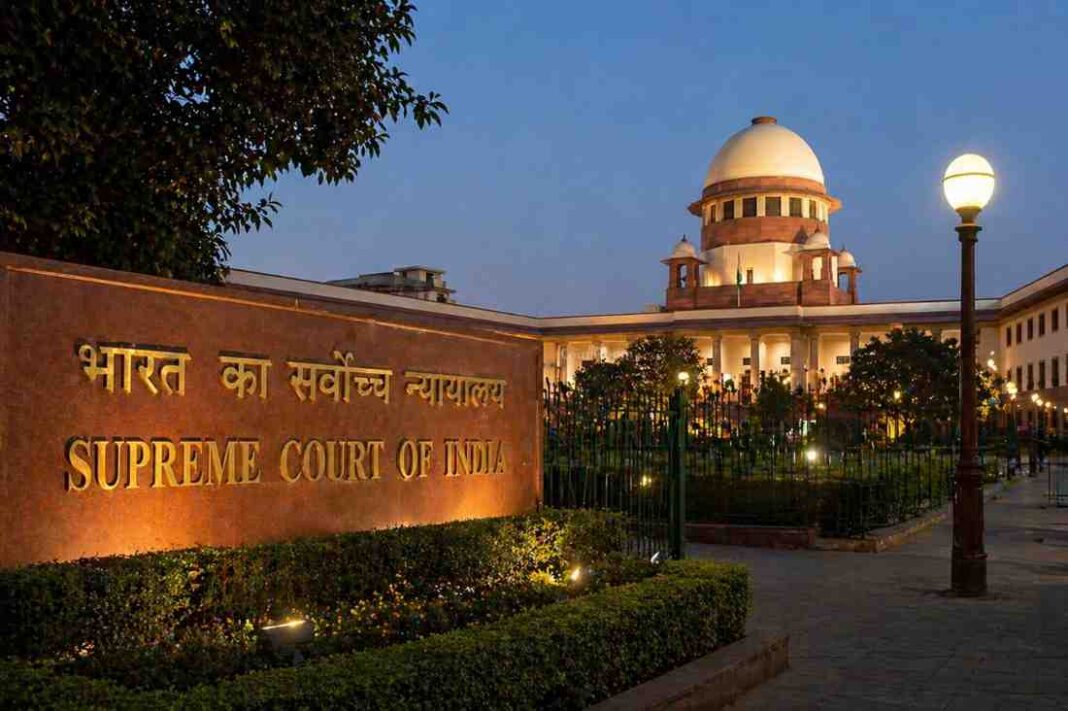
The Supreme Court of India on July 20, 2026, expressed strong displeasure over the poor quality of Motor Accident Claims Tribunal (MACT) orders, directing tribunals across the country to ensure clear and cogent legal reasoning in every compensation decision.
A bench of Justice Sanjay Karol and Justice Nongmeikapam Kotiswar Singh, while dismissing an appeal by Oriental Insurance Co. Ltd., used the occasion to deliver pointed criticism of MACT judgment quality, according to LiveLaw.
Background: How We Got Here
The case arose from a motor accident compensation dispute involving a bus accident that occurred in Nepal. The central legal question before the Supreme Court was whether an Indian motor insurance policy under the Motor Vehicles Act, 1988 covers accidents occurring outside India.
The matter was listed before the Supreme Court as C.A. No. 9204/2026, Diary Number 35818/2025, and was decided on July 20, 2026, per the Supreme Court of India’s official website. The case is captioned The Oriental Insurance Co. Ltd. versus Durg Roadways Private Limited & Ors.
- The tribunal in the underlying case had elaborately recorded submissions and evidence, but failed to meaningfully analyse that material or correlate it to the final conclusion, according to LiveLaw.
- The Supreme Court noted that it had encountered several cases where the nature and quality of tribunal orders caused it “considerable disturbance,” per LiveLaw.
- Counsel for Oriental Insurance included Mr. Abhishek Kumar Gola, Mr. Anshul Mehral, Mr. Arun Kumar Nagar, Mr. Ravinder Singh, Mr. Mohit Singh, Ms. Ragini Agarwal, and AOR Mr. Sudhir Naagar. Counsel for the respondents included AOR Mr. Ashutosh Ghade and Adv. Ms. Saloni Meshram.
The Ruling — Key Findings
The bench dismissed Oriental Insurance’s appeal and upheld the insurer’s liability to pay compensation in respect of the Nepal bus accident, according to LiveLaw. Justice Sanjay Karol authored the judgment.
Critically, the Court observed that many MACT orders merely reproduce pleadings and evidence without adequately explaining how the facts lead to the ultimate conclusion. As the bench put it:
“However, its correlation with the facts of the case and effect of this correlation on the end result was lacking.” — Supreme Court bench, per LiveLaw.
The Court was unambiguous about the standard tribunals must meet, stating: “Then, it is only to be expected of the Tribunals that whatever their conclusion be, the same must be supported by adequate and clear reasoning.”
The bench stressed that claimants approach MACTs after suffering accidents or losing loved ones, and are therefore entitled to decisions backed by clear and cogent reasoning, as reported by LiveLaw.
Justice Karol’s judgment also linked better reasoning directly to case pendency, stating: “The clearer the reasoning and higher the fidelity to the judgments and orders passed by this Court…the large gap between the date of institution and the date of disposal of such claim petitions will see reduction.”
The Court reminded MACTs of their judicial responsibility to arrive at conclusions with proper legal reasoning, making it convenient for any aggrieved party to challenge the decision or settle the dispute, per LiveLaw.
Reactions & What’s Next
No formal response from the government or insurers’ associations has been reported following the judgment. The Supreme Court’s observations, however, carry significant weight as binding guidance for all Motor Accident Claims Tribunals nationwide.
The judgment, authored by Justice Sanjay Karol, is now final on the insurer’s liability question. The Court’s broader directions on MACT reasoning standards are part of the operative ruling and are expected to inform how tribunals across India approach compensation claims going forward, according to LiveLaw.
Disclaimer
Disclaimer: This article is for general information only and does not constitute legal advice. Laws may change or vary by case — consult a qualified lawyer before acting. The Courtroom is not liable for any reliance on this content.

