


Table of Contents
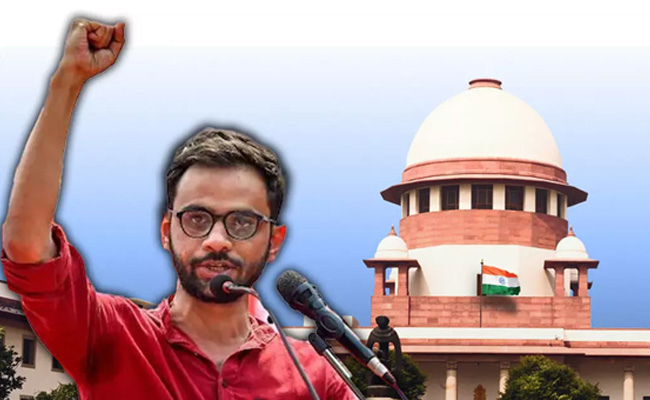
The Supreme Court of India dismissed activist-scholar Umar Khalid’s review petition challenging the denial of bail in the 2020 Delhi riots larger conspiracy case, reinforcing a stringent judicial posture under the Unlawful Activities (Prevention) Act. The dismissal, reported by The Week, marks yet another procedural setback for Khalid, who has remained in custody since September 2020. The keyword “Umar Khalid Review Petition Dismissed Supreme Court Delhi Riots 2020” reflects growing public interest in how India’s apex court navigates personal liberty against national security frameworks under UAPA Section 43D(5).
What Happened
The Supreme Court rejected Khalid’s review petition filed against its earlier order denying bail. A review petition is not a fresh appeal — it invites the same bench to reconsider its prior decision on limited grounds such as an error apparent on the face of the record. The Court found no such apparent error warranting interference, effectively closing this avenue of challenge. Khalid now faces the choice of filing a fresh bail application before the trial court, pursuing a curative petition, or awaiting significant changes in trial proceedings.
Legal Context
Under UAPA Section 43D(5), bail cannot be granted if the court, on a perusal of the case diary or charge sheet, is of the opinion that there are reasonable grounds for believing the accusations are prima facie true. This threshold is exceptionally high — dramatically higher than the ordinary bail standard — and has consistently frustrated bail efforts in terrorism-related prosecutions. Khalid’s counsel had argued in the review that the original bench failed to adequately weigh constitutional guarantees of personal liberty, delayed trial timelines exceeding four years, and the absence of direct overt acts attributed to the accused. The original bench, however, found the charge sheet material sufficient to satisfy Section 43D(5)’s prima facie threshold, leaving little room for review.
Key Developments
- The Supreme Court dismissed the review petition in-chamber, without oral hearing, as is standard procedure for review matters.
- Khalid’s legal team had argued the original order overlooked precedents establishing that prolonged pre-trial detention itself violates Article 21.
- The Delhi High Court had previously denied bail in 2022, a decision upheld by the Supreme Court before this review attempt.
- The UAPA larger conspiracy case involves multiple co-accused, including Sharjeel Imam, with trials proceeding at a slow pace before the Special Court.
Quick Answer
The Supreme Court dismissed Umar Khalid’s review petition in the Delhi riots 2020 UAPA conspiracy case, finding no apparent error in its earlier bail denial. Khalid can now pursue a fresh bail application or curative petition.
Impact
- This dismissal consolidates a clear judicial pattern — post-2020, the Supreme Court has rarely interfered with UAPA bail denials at the review stage, effectively strengthening the Section 43D(5) fortress around terrorism prosecutions.
- For civil liberties advocates, the ruling deepens concerns about prolonged pre-trial incarceration functioning as de facto punishment, particularly where trial completion remains years away.
- Defence counsel in similar UAPA matters must now recalibrate strategy, focusing arguments on trial delay and Article 21 violations rather than merits-based review petitions.
FAQ
What is the difference between a review petition and a fresh bail application?
A review petition asks the same court to correct an apparent error in its own order. A fresh bail application presents new grounds or changed circumstances before the trial court.
What legal options remain for Umar Khalid?
Khalid may file a fresh bail application citing changed circumstances, file a curative petition before the Supreme Court, or await significant developments in the trial proceedings.
Conclusion
The dismissal of Umar Khalid’s review petition underscores the formidable legal barriers UAPA Section 43D erects against bail, placing renewed urgency on expediting the underlying trial to honour constitutional guarantees of personal liberty.
Disclaimer: This article is based on publicly available information. Readers are advised to independently verify details.

